Made in Africa Factory
Cocoa to Chocolate
West Africa grows most of the world's cocoa. Walk the line, meet the technicians, and run each machine yourself: ferment, dry, roast, press and temper your own batch, then write a lab report.
- → 1. Pods and fermenting
- 🔒 2. Sun drying racks
- 🔒 3. Roaster
- 🔒 4. Grinder and press
- 🔒 5. Tempering and moulding
Welcome to the cocoa factory
- ⌨️ W A S D or arrow keys to walk, Shift to go faster (or the arrow buttons).
- 🖱️ Drag to look around.
- 🚶 Walk up to each machine in order. Follow the glowing arrow, then click the machine or press Start.
- 📋 Follow the work orders and download your lab report.
- 🍫 At the end, design your chocolate wrapper and see where the money goes.
The cocoa journey, for real
From the farm to the bar: real photos from Ghana, Nigeria and Côte d'Ivoire, in the order the factory works.
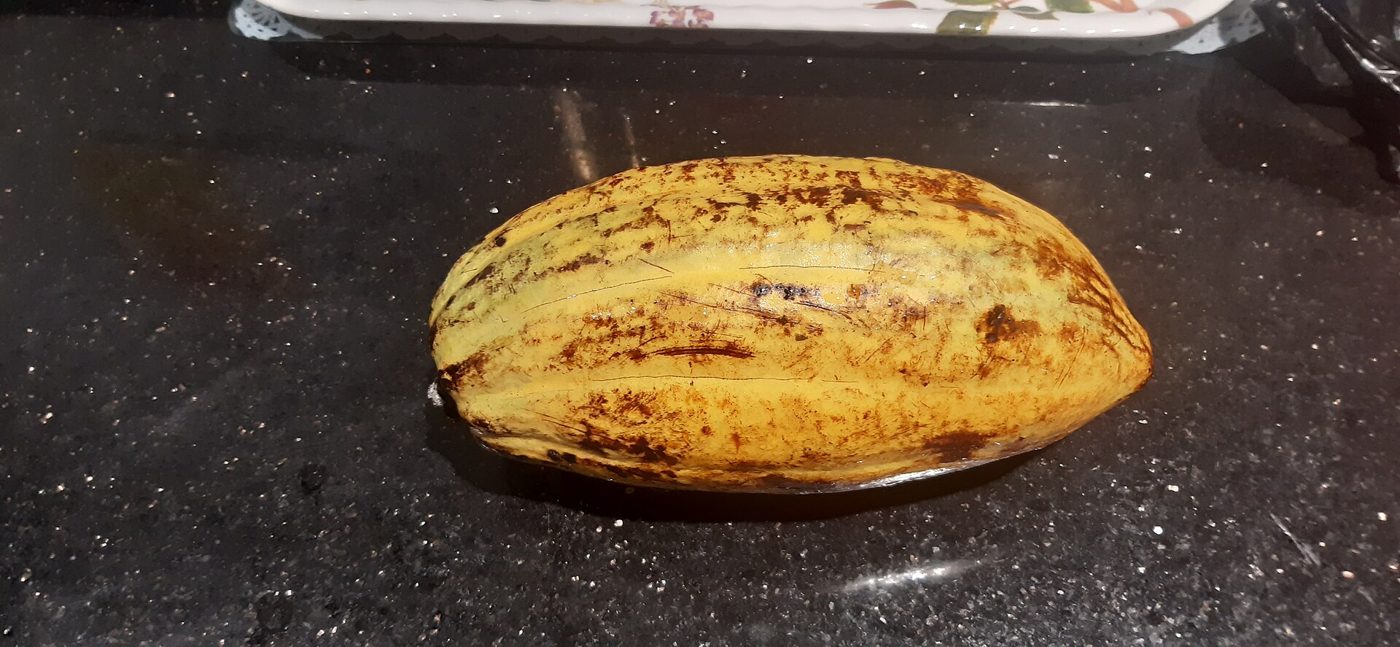 1. A ripe cocoa pod, Nigeria. Pods grow straight out of the tree trunk.
Photo: Aitokhuehi · CC BY-SA 4.0 · source
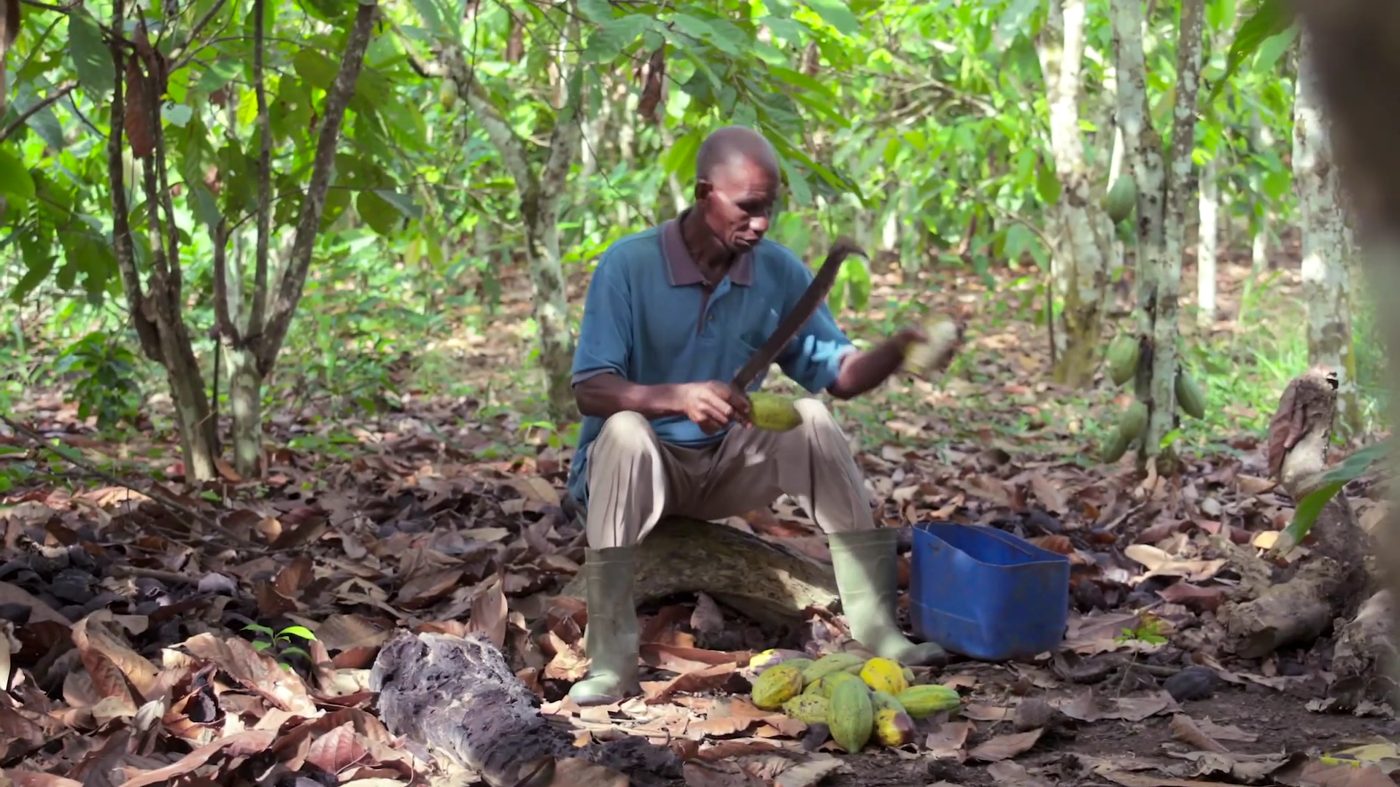 2. A farmer opening cocoa pods under the trees, Côte d'Ivoire.
Photo: CIRAD · CC BY 3.0 · source
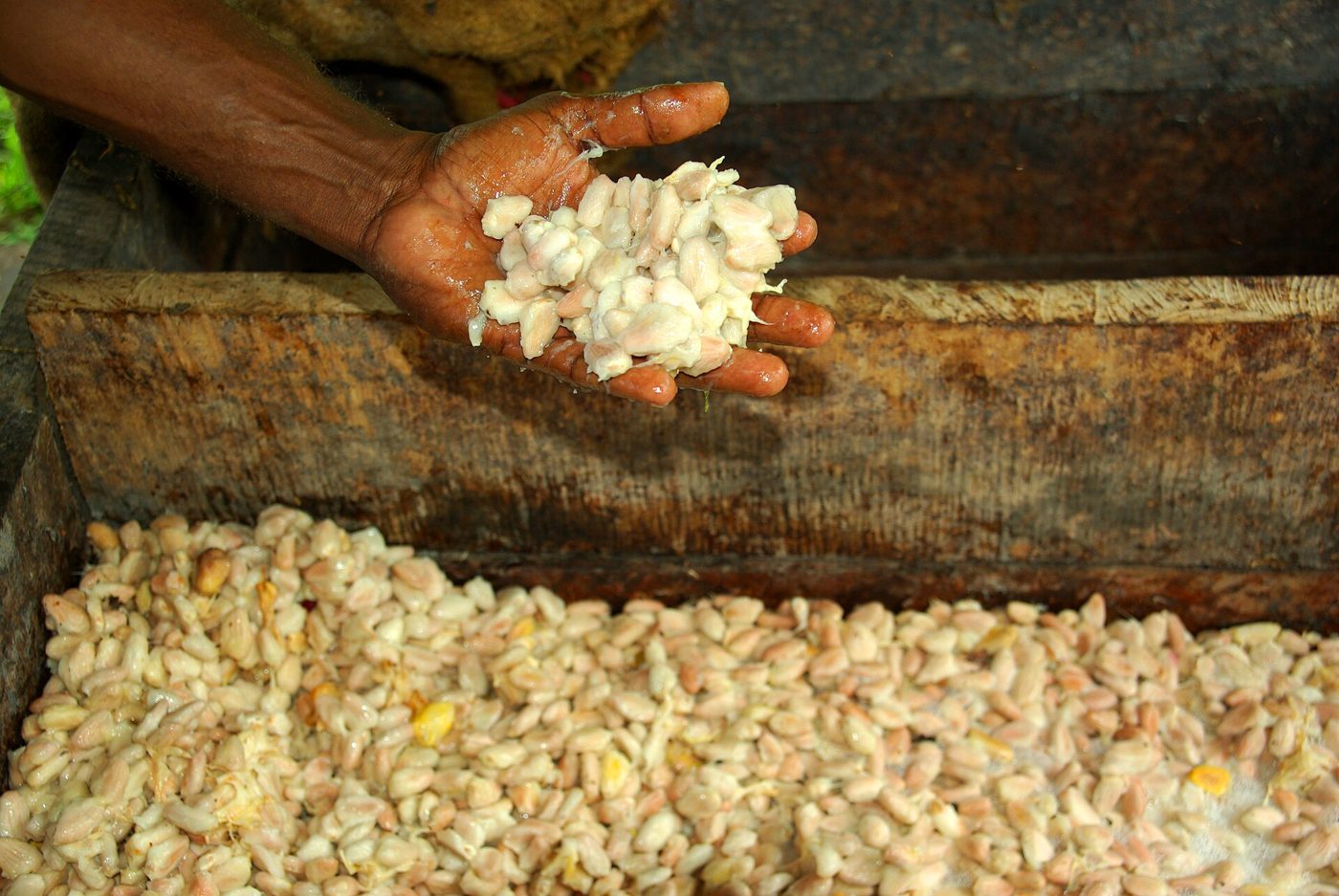 3. Fresh beans in their white pulp, ready to ferment. (Photo from Papua New Guinea, which ferments the same way.)
Photo: Irene Scott/AusAID · CC BY 2.0 · source
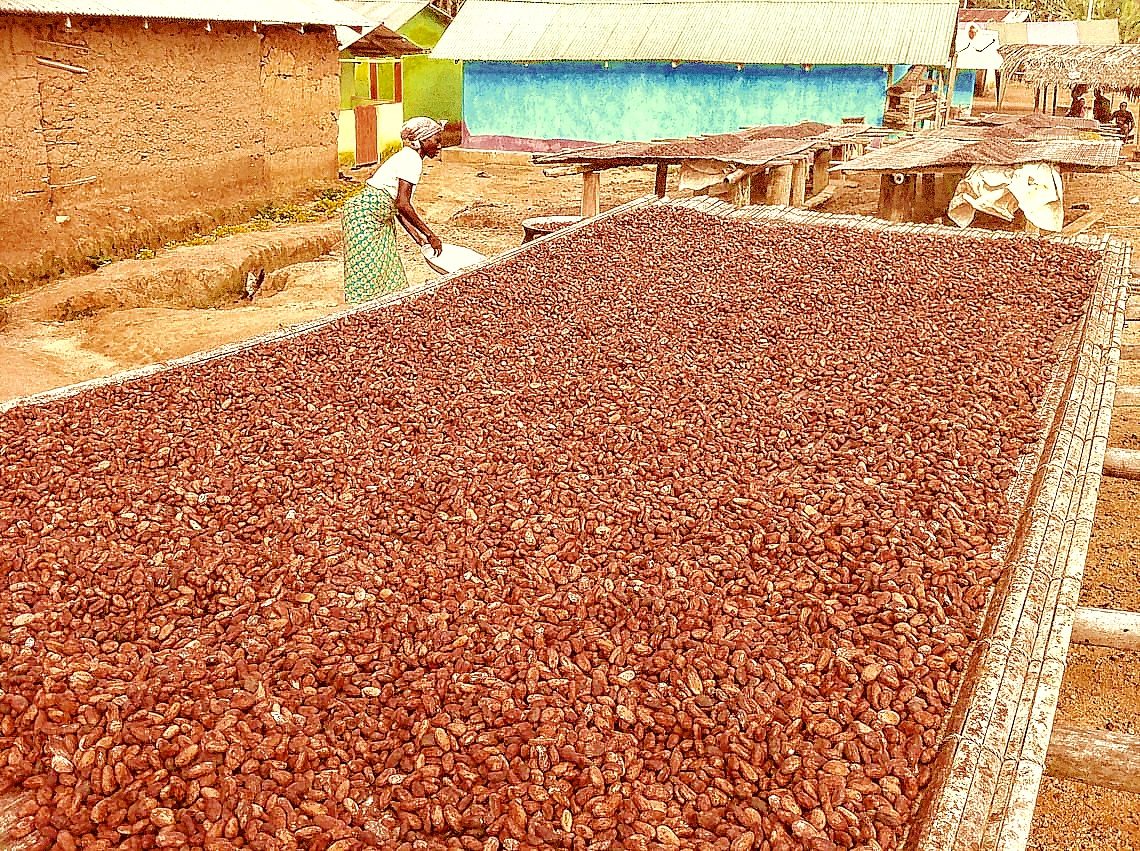 4. Beans drying on raised mats at Mpenkro, Ghana.
Photo: Francesco Veronesi · CC BY-SA 2.0 · source
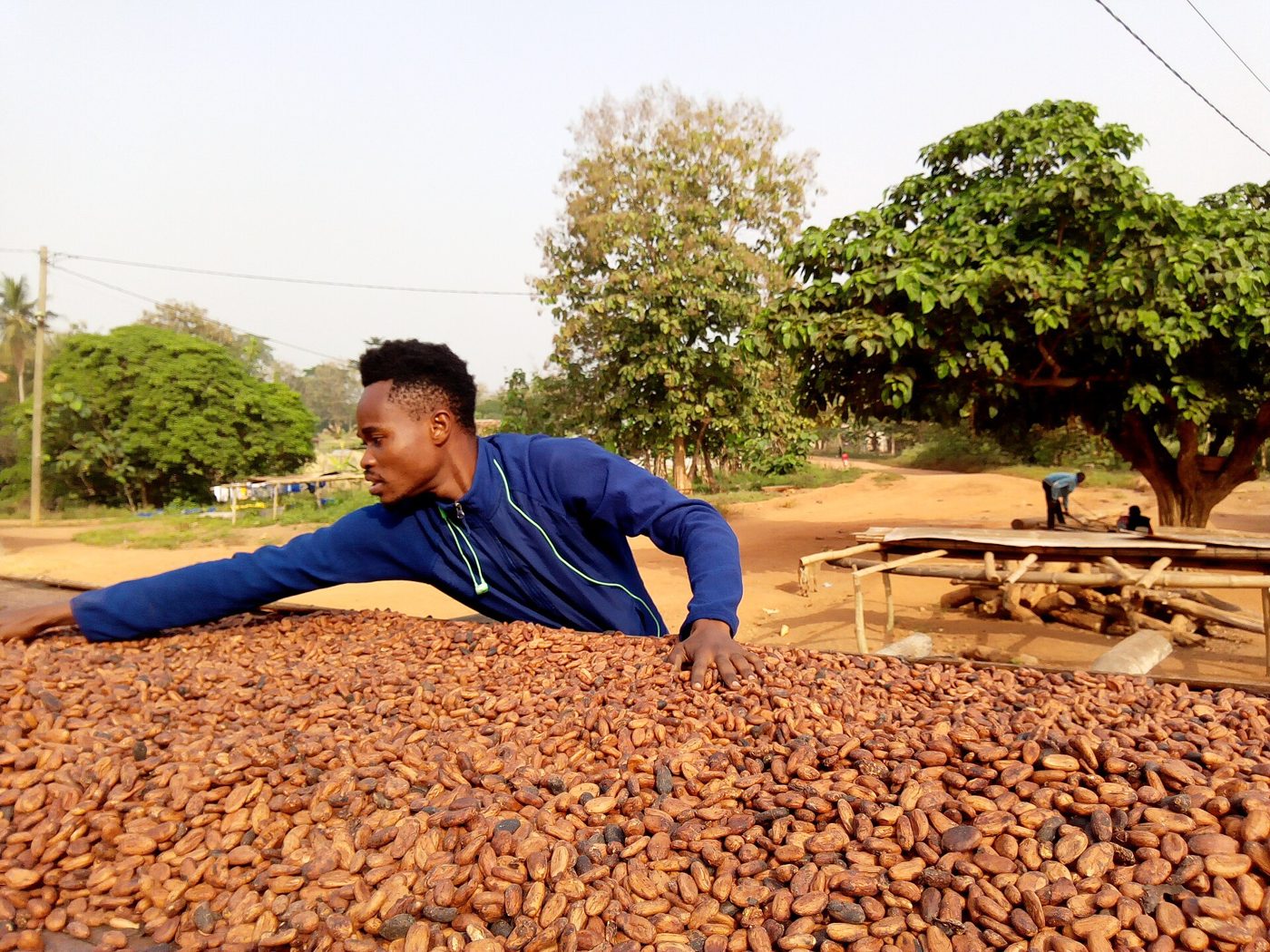 5. Raking beans in the sun on a cocoa farm in Ghana.
Photo: King Bangaba · CC BY-SA 4.0 · source
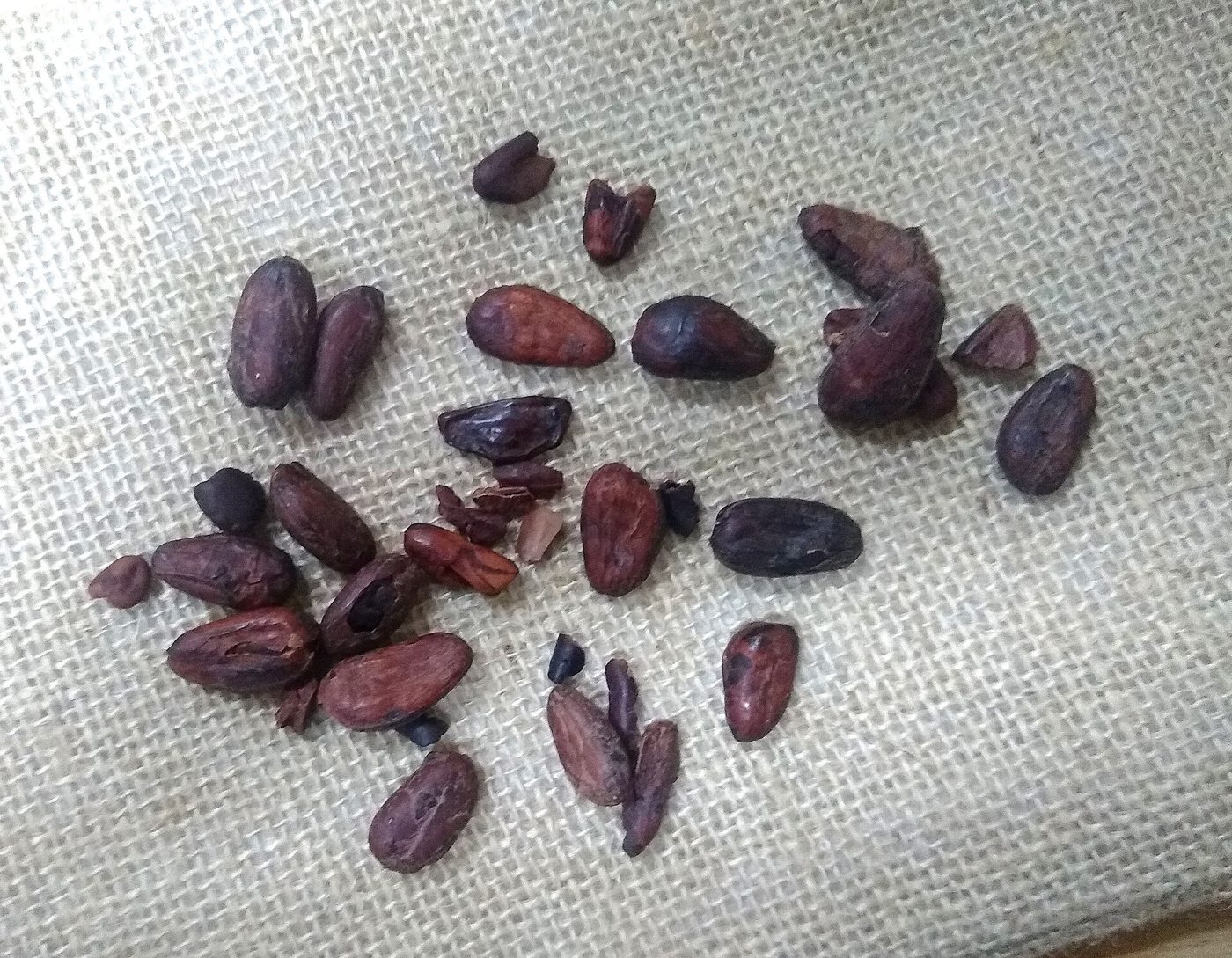 6. Roasted cocoa beans: darker, and smelling of chocolate.
Photo: Mauro Cateb · CC BY-SA 4.0 · source
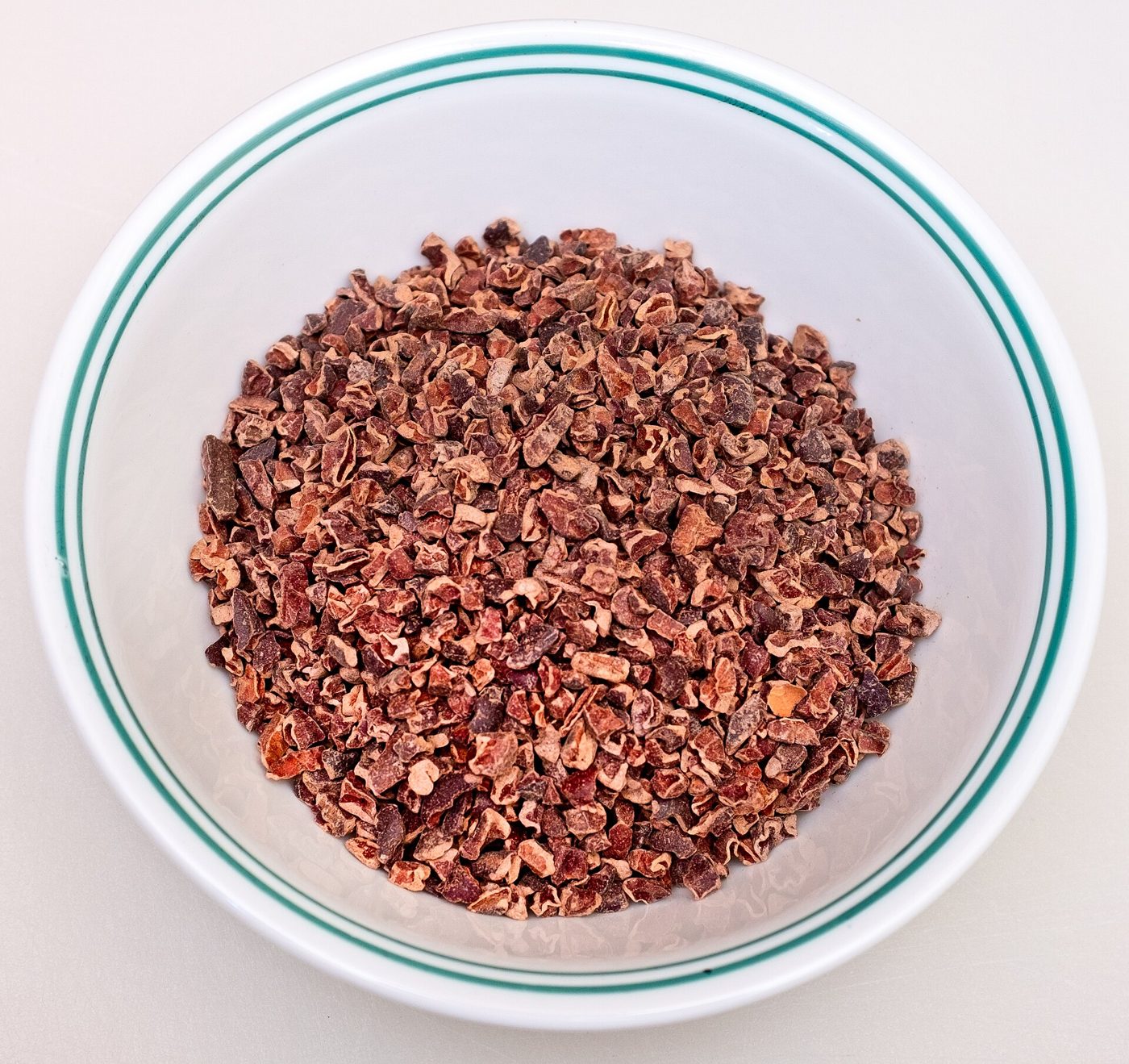 7. Cocoa nibs: roasted beans cracked with the shells blown away.
Photo: Ll1324 · CC0 · source
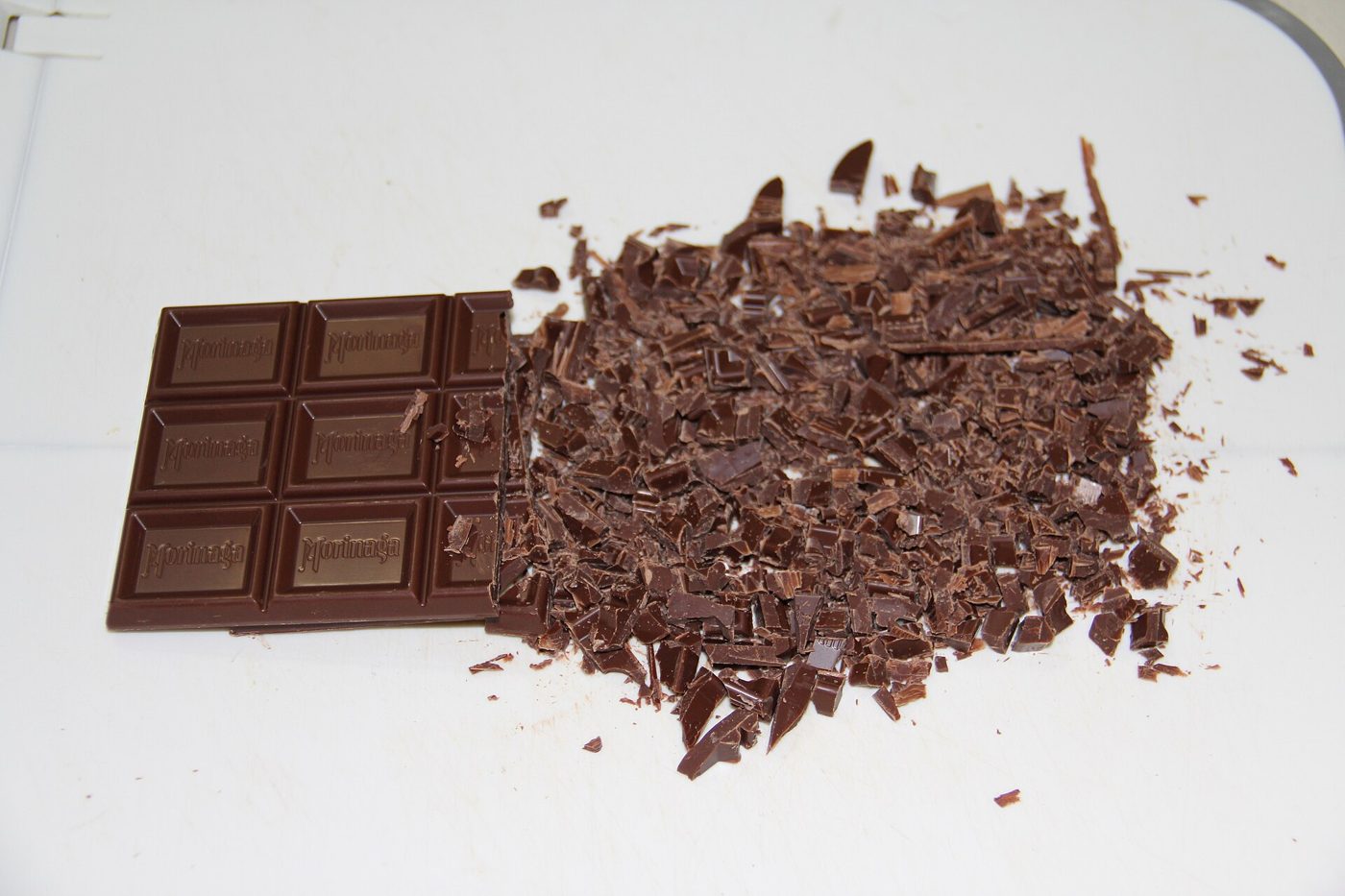 8. Tempered chocolate: a shiny bar that snaps.
Photo: Roozitaa · CC BY-SA 3.0 · source
Copy prompt for Lovable
Paste this into the Pan African Global Open Curriculum project to add the factory there.
Add a "Made in Africa Factory: Cocoa to Chocolate" to the Pan African Global Open Curriculum.

1. A 3D factory hall built with three.js (lazy-loaded, client only). Students walk with W A S D / arrow keys / on-screen arrows and drag to look. A "Full screen" button and a welcome card explain the controls.

2. Five stations along the line, each with a machine and a Black technician (stylised 3D figure: varied dark brown skin, expressive eyes with brows and highlights that follow the student, natural hair, locs, headwrap, afro, baseball cap, work coats, aprons or overalls; Fatima and Tunde wear safety goggles, Amara has goggles pushed up on her hairnet; Kwame wears an apron and holds a rake, Amara a spatula; idle sway, waves when a student walks near). Clicking a machine or technician opens a hands-on canvas mini-game with real Commons photos (tap to zoom, photographer + licence shown), the technician's explanation, 1-3 stars, hints, sound effects (on/off), "Try again", and a chart of the student's own results only after play:
   - Adaeze: tap ripe pods on a cocoa tree (green and black-pod-disease pods are wrong picks), crack each with one smooth swipe (too fast cuts beans), scoop beans into the basket; line a sweat-box with banana leaves, pour in the beans, cover them; run a time-lapse with a live heap thermometer and smell, drag a shovel to turn the heap (best on days 2 and 4), open the box, pull a guillotine to cut 20 beans and flag the ones that are not brown inside (purple / grey / mouldy).
   - Kwame: pick a season, rake the heap thin on a raised mat, then day by day rake once, drag the rain cover over before the noon rain, poke the moisture meter into the beans, and bag them at 7.5 % water or less (bagging wet beans means mould).
   - Fatima: turn the burner knob to preheat a drum roaster, load the beans, watch them tumble and darken through the window, pull out the sample bar to see colour and cracking shells, hear the first crack, drop them into the cooling tray and stir until below 40 °C (they keep roasting while hot).
   - Tunde: set the winnowing fan while feeding cracked beans (too weak leaves shells in the nib bin, too strong blows nibs away), hold Grind on a stone mill while a microscope shows particles shrink below 30 µm, then pump the hydraulic press into the 500-600 bar zone against a slow leak while golden cocoa butter drips into a jug; release to see the powder cake.
   - Amara: hold Heat to melt (45-50 °C), spread on cold marble with a scraper (27-28 °C), scoop back and rewarm gently (31-32 °C) while a crystal close-up shows wrong and good (form V) crystals; drag the bowl to fill three bar moulds to the line, tap out air bubbles, chill and swipe to snap (clean snap = tempered). Then design a chocolate wrapper (brand name, kente / adire / mudcloth pattern or the student's own museum adire pattern) and download it.

3. Results carry from station to station as one batch. Work orders: brown beans with flavour 70+, dry a rainy batch without mould, aroma 80+, at least 38 kg butter, 50 shiny bars.

4. Lab report: the batch's settings and results plus the student's written answer, downloaded as one picture. "Did you know?" cards about West African cocoa (Ghana, Côte d'Ivoire, Nigeria; Tetteh Quarshie; makers like Loshes and '57 Chocolate).

5. Science is simplified; mark facts for teacher review. Saving to accounts is phase 2 and for paid accounts only.